
Mythos — 45 works
A selection from the 45 works catalogued in Mythos, and the connections recorded between them.
Collection overview
The Mythos collection groups forty-five works under its archive description: epic narratives in which ancient cosmologies meet hyper-dimensional vision. This Note follows a selection of dated works rather than attempting to interpret every member. The selected records describe visions, family, working methods, named influences, and connections to other artworks. Those details are more useful here than treating each image as an emblem in a single symbolic system.
Origins in vision
The early arc is anchored by Cosmic Ascension, created in Istanbul in 2012 after a vision arrived during traffic on a bus. The artist describes a meditating human lifted into the cosmos through an opening of the mind, and also records the practical resistance of the work: a massive file, repeated reconstruction after computer crashes, and a decision to limit the palette to blue. Vision and labour remain inseparable in the account.
Axis Mundi, created in Istanbul on February 9, 2014, brings together heaven, earth, wind, Gaia, Indra’s net, and meditation on the Divine Yantra. Serpentine Apotheosis, dated January 7, 2013, records a decisive movement from traditional media into digital art and links its central feminine presence to Mother Aya, Shiva’s Shakti, and Medusa. The account also places the cosmic serpent beside DNA and the artist’s reading of Jeremy Narby. These records connect visionary experience to named traditions, books, and artistic decisions without requiring one final explanation of the images.
Copelandian Paradigm, made in Istanbul in 2013, extends the field into a reincarnation machine. Its narrative describes hyperdimensional beings entering fleshly vessels, living an earthly life, and returning to a realm of recursive play. The same record gives a working rhythm—several weeks, an hour or two each day—and names Yoko d’Holbachie as an artistic influence. The visionary account is therefore accompanied by a precise studio history.
Balance, intimacy, and transformation
The collection’s mythic language becomes more intimate in Inward Convergence, begun in late 2015 as the artist’s partner approached childbirth and completed in Istanbul in 2017. The narrative moves between trance encounters and close attention to pregnancy, care, nurturing, and the sacred feminine. It names a hyper-dimensional “womb” as a safe, fertile space for biological or ideological life, then links the work to Sacred Symbiosis, Arcane Opulence, and Singular Sight. The archive presents these as concurrent experiences and connected works.
Balancing Duality, created in Alaçatı on April 23, 2018, describes polarity through engines, batteries, magnetic fields, bodily existence, and the paired figures of Shiva and Shakti. Its stated key is balance: opposing forces are material for creation rather than something to escape or reduce to conflict. The work identifies itself as an addendum and balancing component to Serpentine Apotheosis, giving the connection a clear place in the record.
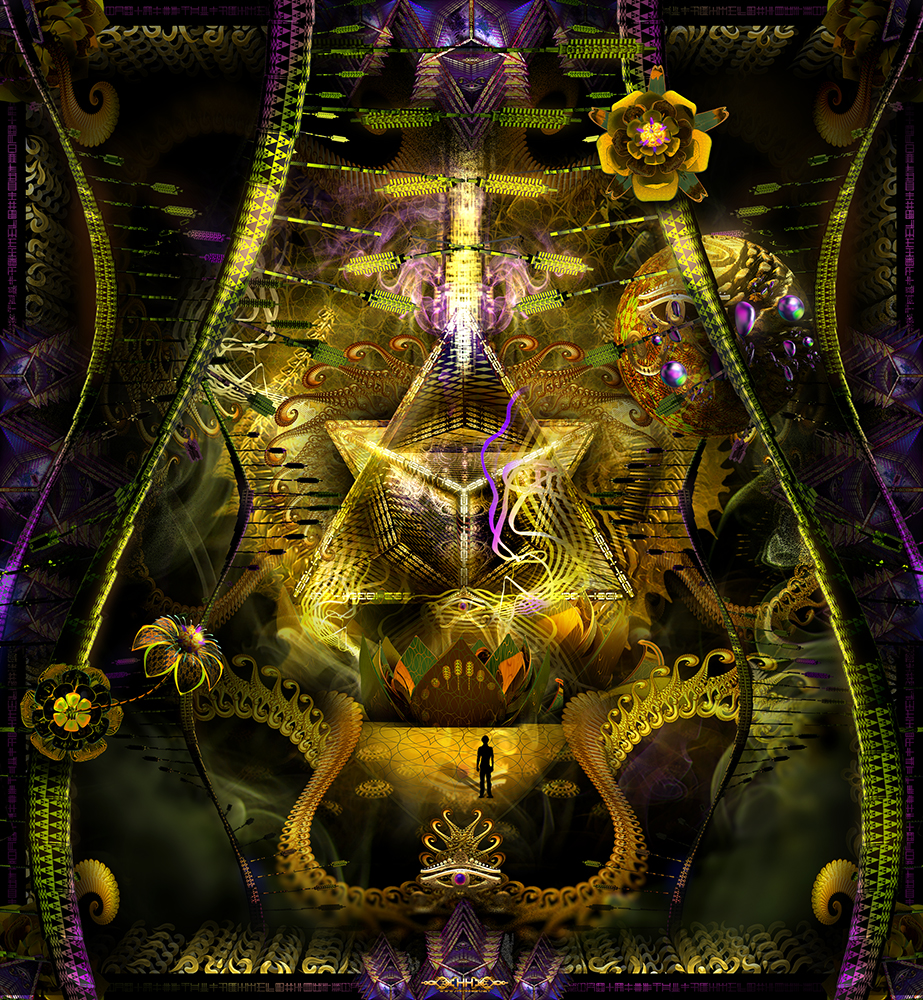
Renouncing Redemption, made in Istanbul on December 17, 2015, frames transformation through the birth of the artist’s son, changes in diet and meditation, and renewed study of alchemy and Gnostic traditions. Its narrative calls the work a renunciation of Judeo-Christian programming and describes a small human figure standing against structures associated with Abrahamic religions. As a new father, the artist connects that refusal to raising his child without an imposed savior or external redemption.
Later works and continuity
The later entries keep the archive’s attention on vision, practice, and relation. Know Thyself, created in Fethiye on February 11, 2023, grew from a project first imagined after Heal Thyself. Its narrative says that meditation alone could not signify knowing oneself and names the Trivium—grammar, logic, and rhetoric—alongside spirit, body, and mind, manifestation, intuition, and action. It also describes self-gnosis and the authority of the self; these are propositions recorded in the artwork account, not conclusions supplied from outside it.
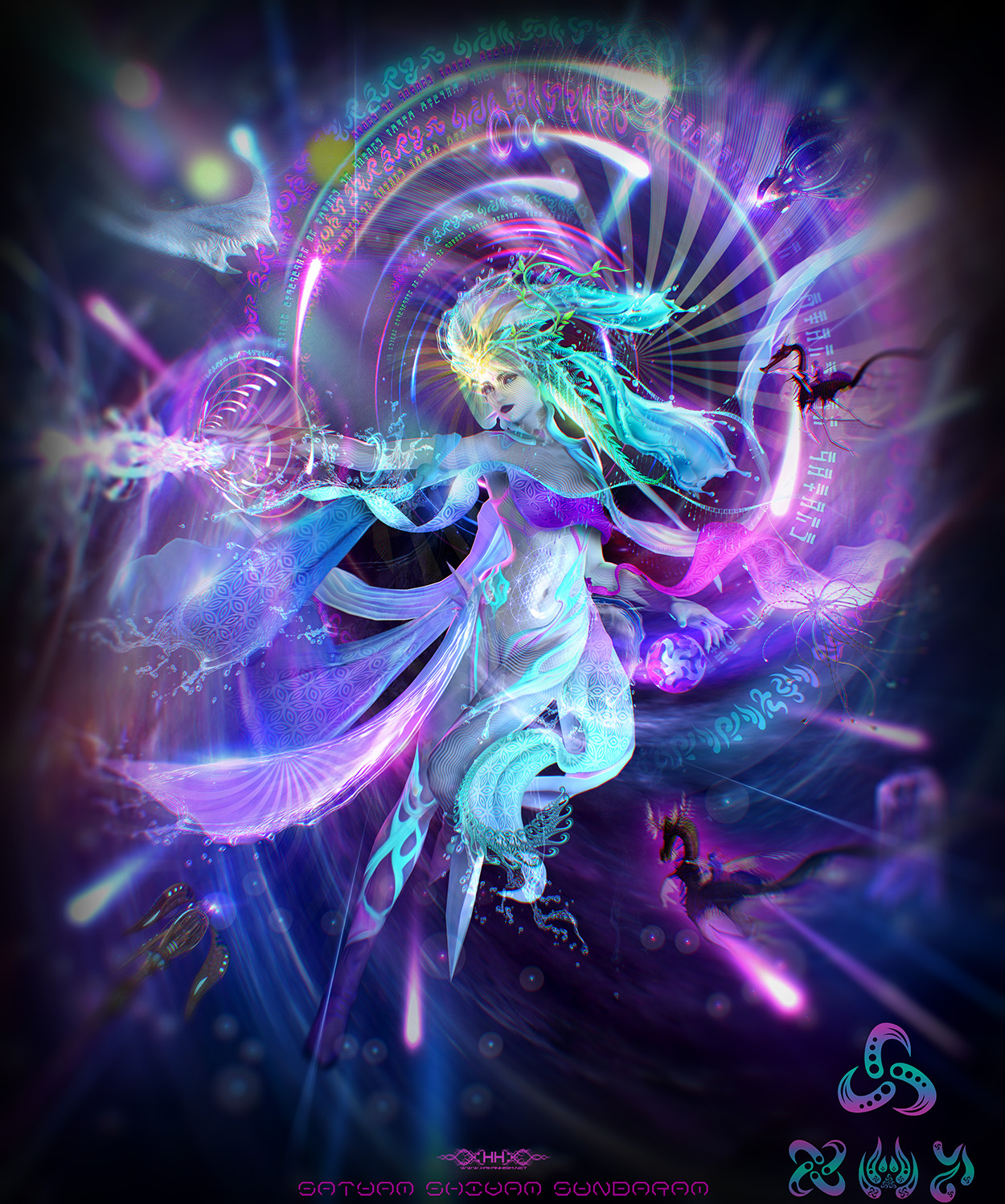
Temple of Scintillating Sights, created in Alaçatı on November 19, 2017, returns to sudden vision: an Egyptian goddess, fractalized limbs, vibration, and impossible objects. The record is equally specific about an eight-hour burst of work spread across thirty-two hours and about reading on Kemetan wisdom, Ancient Egypt, The Sirius Mystery, and Metu Neter. Satyam Shivam Sundaram, made in Fethiye on November 14, 2022, is a homage to Elgin, whom the artist and his sons call “Sundaram,” and glosses its title as truth, divinity, and beauty. Venus Exalted, created in Istanbul on April 10, 2016, preserves Alistar Valadez’s vision of Venus and its appeal for equality, inner connection, and collective change.
Finally, The Fractal Wave, created in Istanbul on August 21, 2013, names Hokusai’s The Great Wave off Kanagawa as its source image and places it beside Terence McKenna’s account of history as a moment of immense transition. Across these entries, the archive holds dates, visions, family, named influences, working time, and artwork connections together. Its continuity is documentary as much as thematic: one record leads to another through the links the archive itself preserves.
Referenced Works
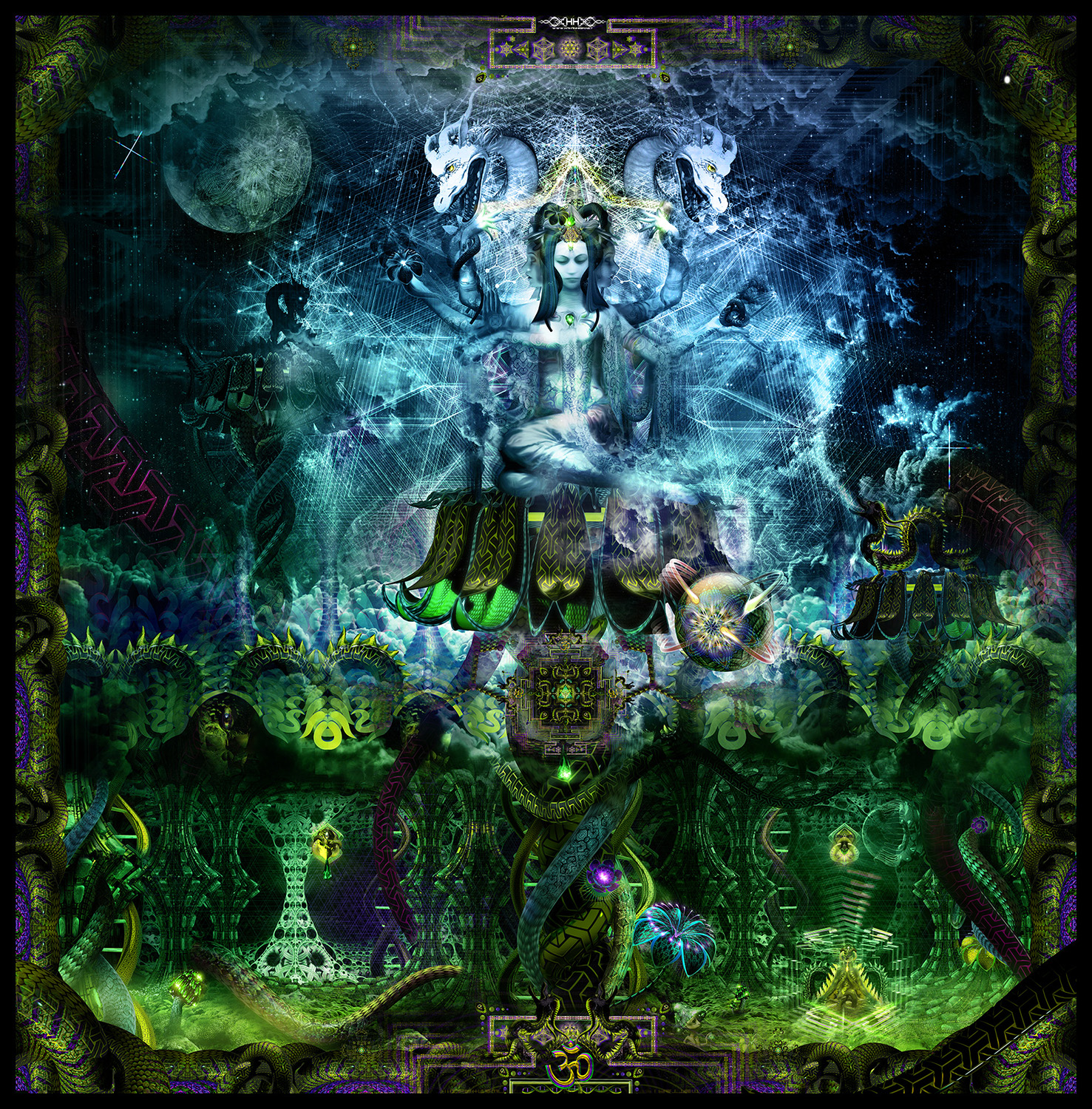 Axis Mundi
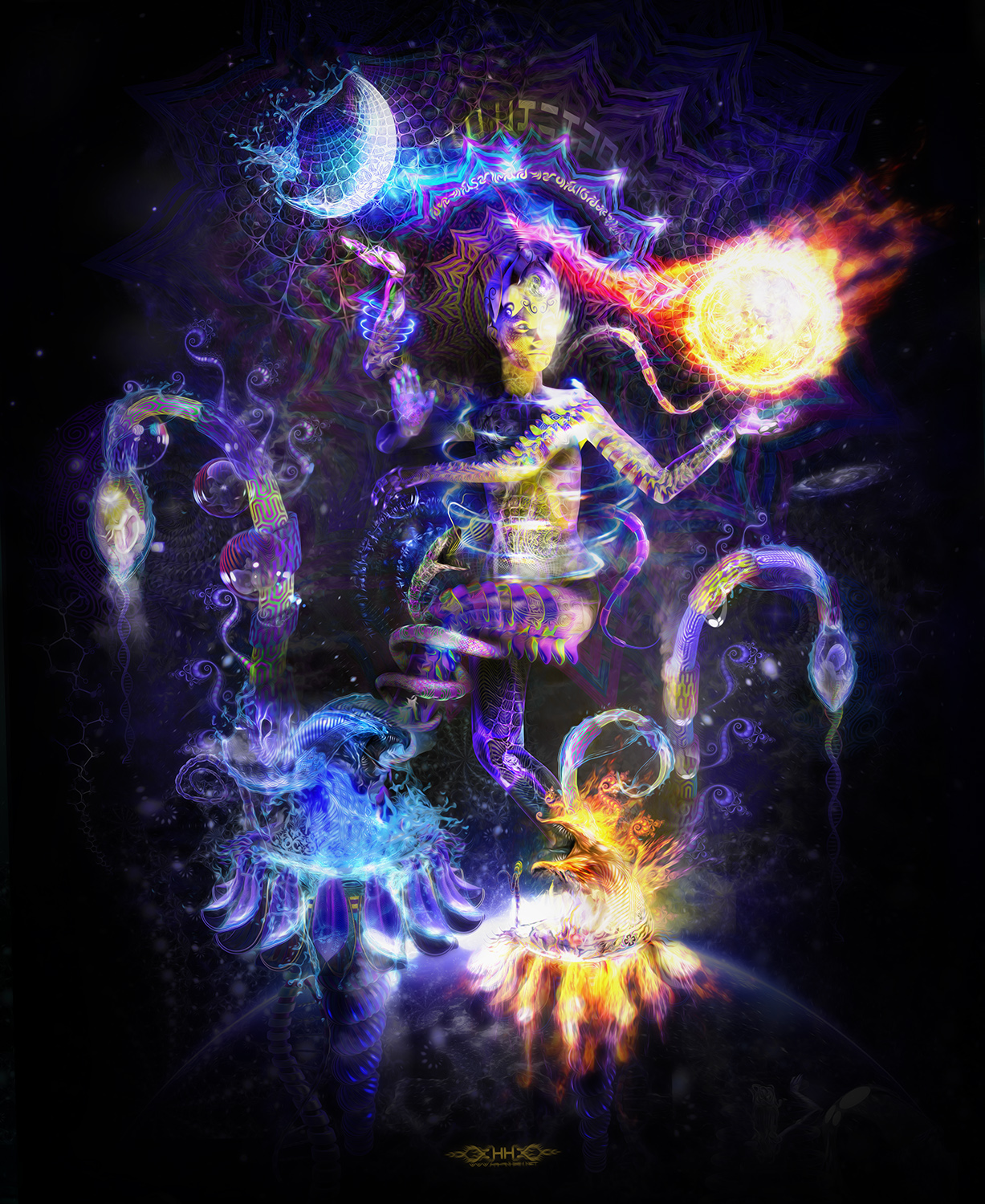 Balancing Duality
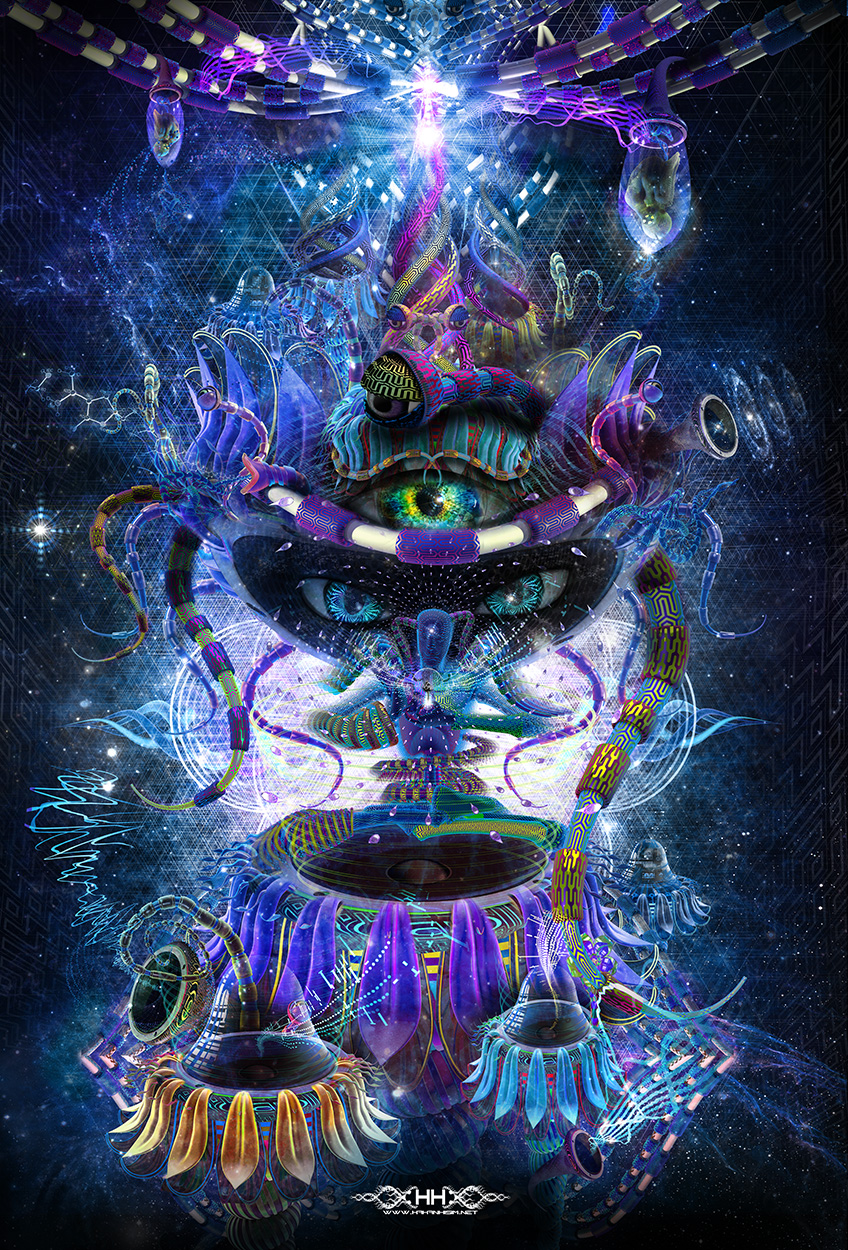 Copelandian Paradigm
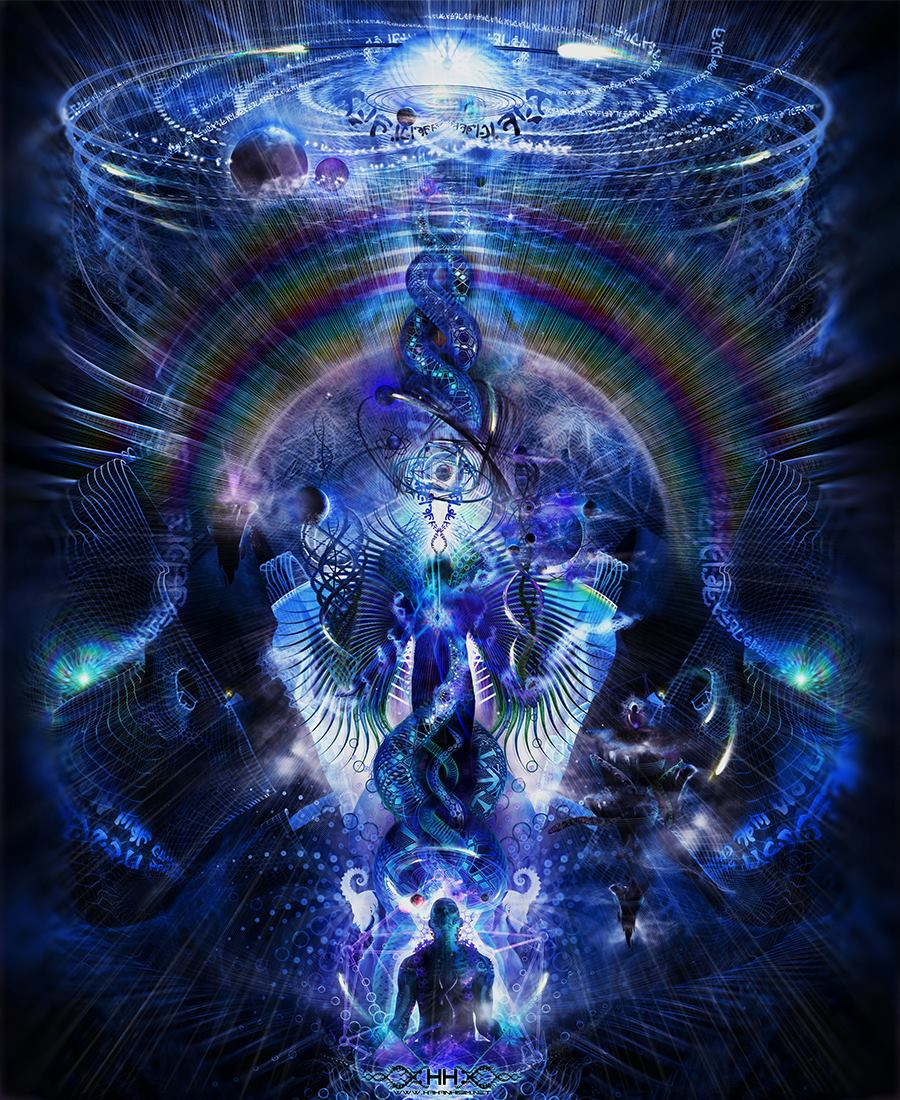 Cosmic Ascension
.jpg) Inward Convergence
Inward Convergence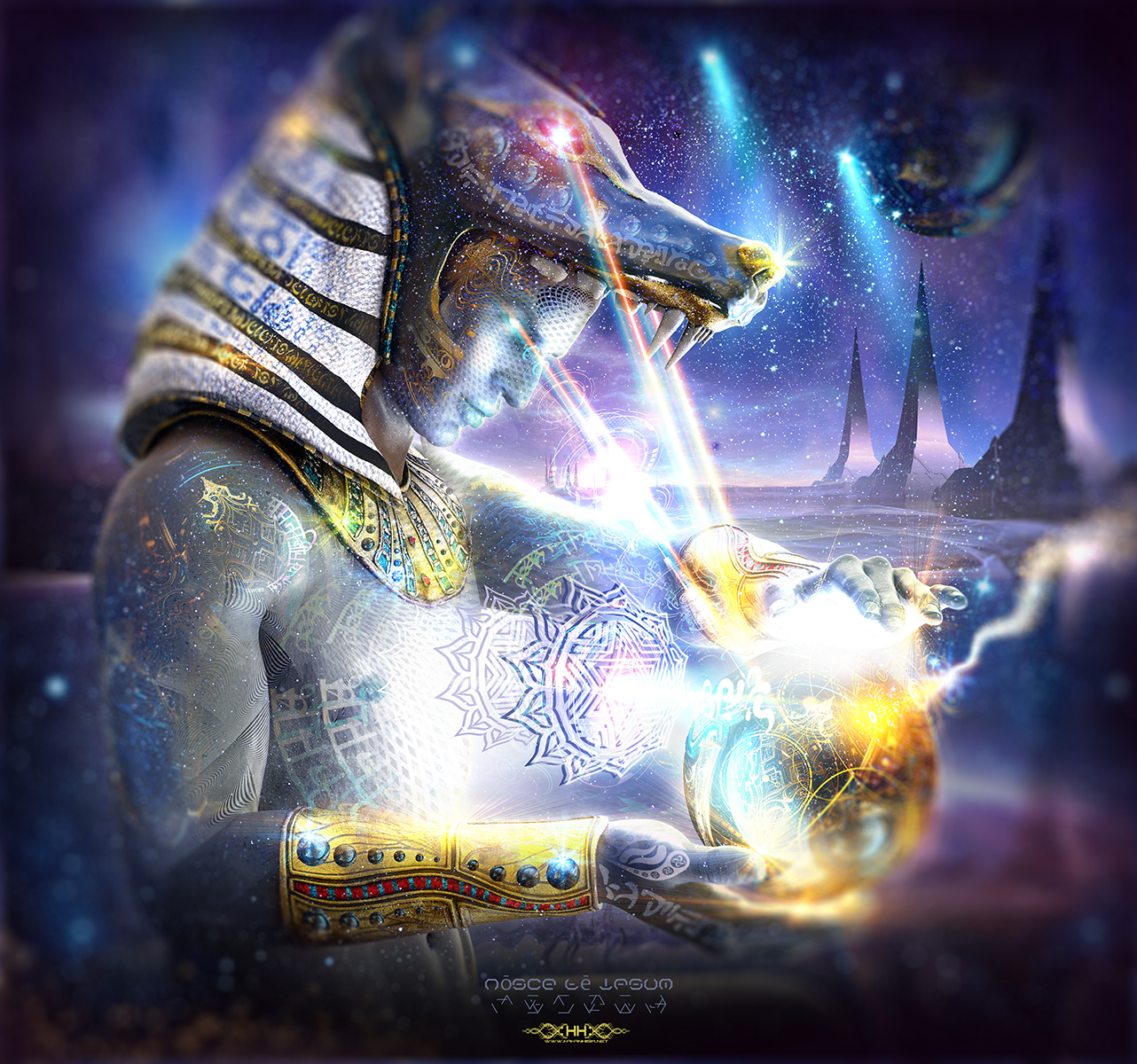 Know Thyself
 Renouncing Redemption
 Satyam Shivam Sundaram
In the archive
Archive Sources
Primary archive records consulted for this Note
- collection · Mythos
- artwork · Inward Convergence
- artwork · Venus Exalted
- artwork · Balancing Duality
- artwork · Serpentine Apotheosis
- artwork · Renouncing Redemption
- artwork · Temple of Scintillating Sights
- artwork · Satyam Shivam Sundaram
- artwork · Axis Mundi
- artwork · Cosmic Ascension
- artwork · The Fractal Wave
- artwork · Copelandian Paradigm
- artwork · Know Thyself